How to Choose the Right Car Amplifier for Your Audio System
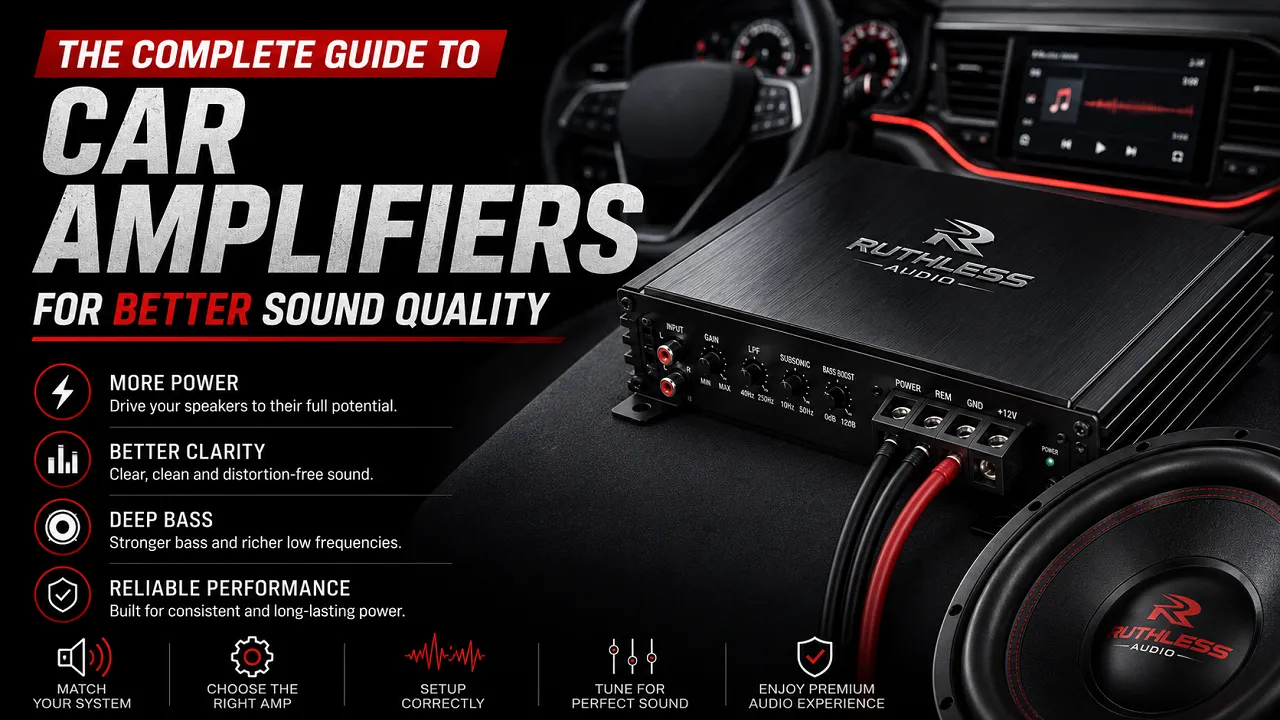
A Car Amplifier is one of the most important components of a high-performance Car Audio System. Whether you’re planning a Car Audio Upgrade, installing a new Car Audio Amplifier, or simply looking to improve your Car Sound Quality, choosing the right amplifier can make a noticeable difference. An amplifier provides the power your speakers and subwoofers need to deliver cleaner sound, deeper bass, and higher volume without distortion, making every drive more enjoyable.
Many factory-installed audio systems lack the power needed to produce rich and detailed sound. While upgrading speakers helps, they can only perform at their best when paired with a quality amplifier. That’s why audio enthusiasts consider an amplifier the heart of any premium car audio setup.
Why Is a Car Amplifier Important?
A car amplifier boosts the low-level audio signal received from your head unit and sends a stronger signal to your speakers or subwoofers. This additional power allows the audio components to perform efficiently without straining.
Some of the biggest benefits of installing a car amplifier include:
- Clearer and louder sound output
- Reduced audio distortion at high volumes
- Better bass response
- Improved speaker performance
- Enhanced overall listening experience
Whether you enjoy soft acoustic music or bass-heavy tracks, an amplifier helps reproduce sound more accurately across all frequencies.
Different Types of Car Amplifiers
Not every amplifier is designed for the same purpose. Understanding the available types helps you choose the best option for your audio setup.
Mono Amplifiers
Mono amplifiers, also called single-channel amplifiers, are specifically built to power subwoofers. They focus on delivering high power to low-frequency sounds, producing deeper and more controlled bass.
A mono amplifier is ideal if your primary goal is to improve bass performance in your vehicle.
Multi-Channel Amplifiers
Multi-channel amplifiers are designed to power multiple speakers at the same time. They are commonly available in:
- 2-Channel Amplifiers
- 4-Channel Amplifiers
- 5-Channel Amplifiers
- 6-Channel Amplifiers
These amplifiers are perfect for powering front speakers, rear speakers, tweeters, and even subwoofers in a complete car audio system.
Class A/B Amplifiers
Class A/B amplifiers have been popular for many years because they offer an excellent balance between sound quality and efficiency.
Advantages include:
- Warm and natural sound
- Good audio accuracy
- Reliable performance
- Affordable pricing
They are an excellent choice for listeners who prioritize sound quality over compact size.
Class D Amplifiers
Class D amplifiers are known for their high efficiency and compact design. They generate less heat while producing significant power, making them ideal for modern vehicles with limited installation space.
Benefits include:
- Smaller size
- Higher efficiency
- Lower heat generation
- Excellent power output
Today, many premium car audio systems use Class D technology for both speakers and subwoofers.
Bridgeable Amplifiers
Some multi-channel amplifiers offer bridge mode, allowing two channels to combine into one higher-powered channel.
Bridgeable amplifiers are useful when:
- Powering a single high-performance subwoofer
- Expanding your system later
- Increasing output without replacing the amplifier
This flexibility makes them a popular choice among car audio enthusiasts.
How to Choose the Right Car Amplifier
Selecting the right amplifier involves more than simply choosing the highest wattage. Several factors should be considered before making a purchase.
Match RMS Power
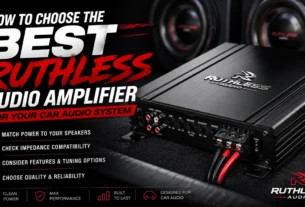
Always compare the amplifier’s RMS output with the RMS rating of your speakers or subwoofers.
Proper power matching provides:
- Better sound quality
- Longer equipment life
- Reduced distortion
- Improved reliability
Avoid selecting an amplifier based only on peak power ratings.
Check Compatibility
Your amplifier should be compatible with:
- Head unit
- Speakers
- Subwoofers
- Impedance (Ohm rating)
- Wiring configuration
Matching these components correctly ensures safe and efficient operation.
Consider Available Installation Space
Amplifiers come in different sizes. Before purchasing, measure the available installation area inside your vehicle.
Common installation locations include:
- Under seats
- Inside the trunk
- Behind interior panels
- Custom amplifier racks
Compact Class D amplifiers are excellent choices when installation space is limited.
Focus on Sound Quality
If audio quality is your priority, pay attention to important specifications such as:
- Signal-to-Noise Ratio (SNR)
- Total Harmonic Distortion (THD)
- Frequency Response
- Damping Factor
Higher-quality amplifiers produce cleaner, more detailed sound with minimal distortion.
Common Mistakes to Avoid
Many people make simple mistakes that limit the performance of their car audio system.
Avoid these common issues:
- Buying an amplifier that’s too powerful or too weak
- Ignoring speaker RMS ratings
- Using poor-quality wiring
- Incorrect gain adjustment
- Poor grounding
- Skipping fuse protection
- Overlooking electrical upgrades for high-power systems
Proper installation is just as important as choosing the right equipment.
Tips for Getting the Best Performance
To maximize your amplifier’s performance:
- Use high-quality power and ground cables.
- Install the correct fuse near the battery.
- Ensure proper airflow around the amplifier.
- Match amplifier power with speaker ratings.
- Tune your system carefully after installation.
- Choose quality speakers and subwoofers for balanced sound.
A well-installed amplifier can provide years of reliable performance while dramatically improving your driving experience.
A Car Amplifier is one of the best investments you can make when upgrading your Car Audio System. It delivers cleaner sound, stronger bass, and better overall performance than a factory audio setup alone. Whether you’re installing a mono amplifier for powerful bass or a multi-channel amplifier for a complete audio upgrade, selecting the right amplifier ensures your speakers perform at their full potential.
Before purchasing, consider your power requirements, speaker compatibility, available installation space, and long-term upgrade plans. With the right Car Audio Amplifier, you’ll enjoy exceptional Car Sound Quality every time you get behind the wheel.
Frequently Asked Questions (FAQs)
1. What does a car amplifier do?
A car amplifier increases the audio signal from your head unit, providing enough power for speakers and subwoofers to produce louder, clearer, and more detailed sound.
2. Do I need an amplifier if I upgrade my car speakers?
Yes. While upgraded speakers improve sound quality, an amplifier allows them to perform at their full potential by supplying adequate power.
3. Which amplifier is best for subwoofers?
A mono amplifier is the best choice for powering one or more subwoofers because it is specifically designed for low-frequency audio.
4. What is the difference between Class A/B and Class D amplifiers?
Class A/B amplifiers are known for their excellent sound quality, while Class D amplifiers are more efficient, compact, and produce less heat.
5. How do I choose the right amplifier size?
Choose an amplifier that matches your speakers’ RMS power rating, supports the correct impedance, and fits within your vehicle’s available installation space.
6. Can a car amplifier improve sound quality?
Absolutely. A quality amplifier reduces distortion, improves clarity, delivers stronger bass, and provides a more balanced listening experience, especially at higher volumes.